The African Elephant
(Loxodonta africana)
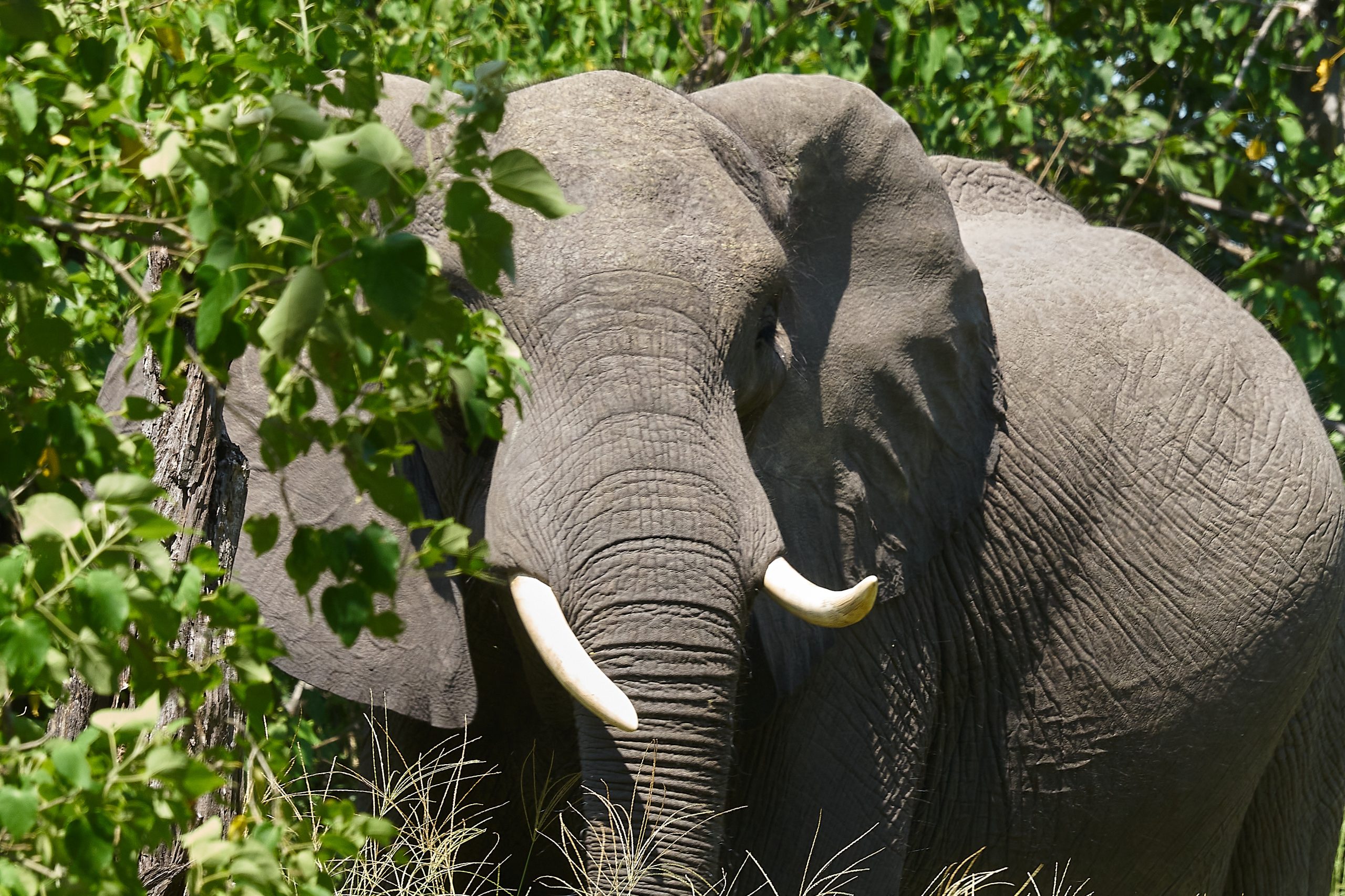
Also known as the African savanna elephant, African bush elephant, or African savanna elephant, it is a mammal species belonging to the elephant family. It is the largest living land animal on Earth. Distinguishing features include its tusks, prominent trunk, large ears, and columnar legs. The African elephant differs from its somewhat smaller relatives, the forest elephant and the Asian elephant, in numerous morphological and anatomical characteristics. Its range now encompasses large parts of sub-Saharan Africa. There, the animals have adapted to a wide variety of habitats, ranging from dense forests and open savannas to swamps and desert-like regions. Overall, however, its distribution is highly fragmented.
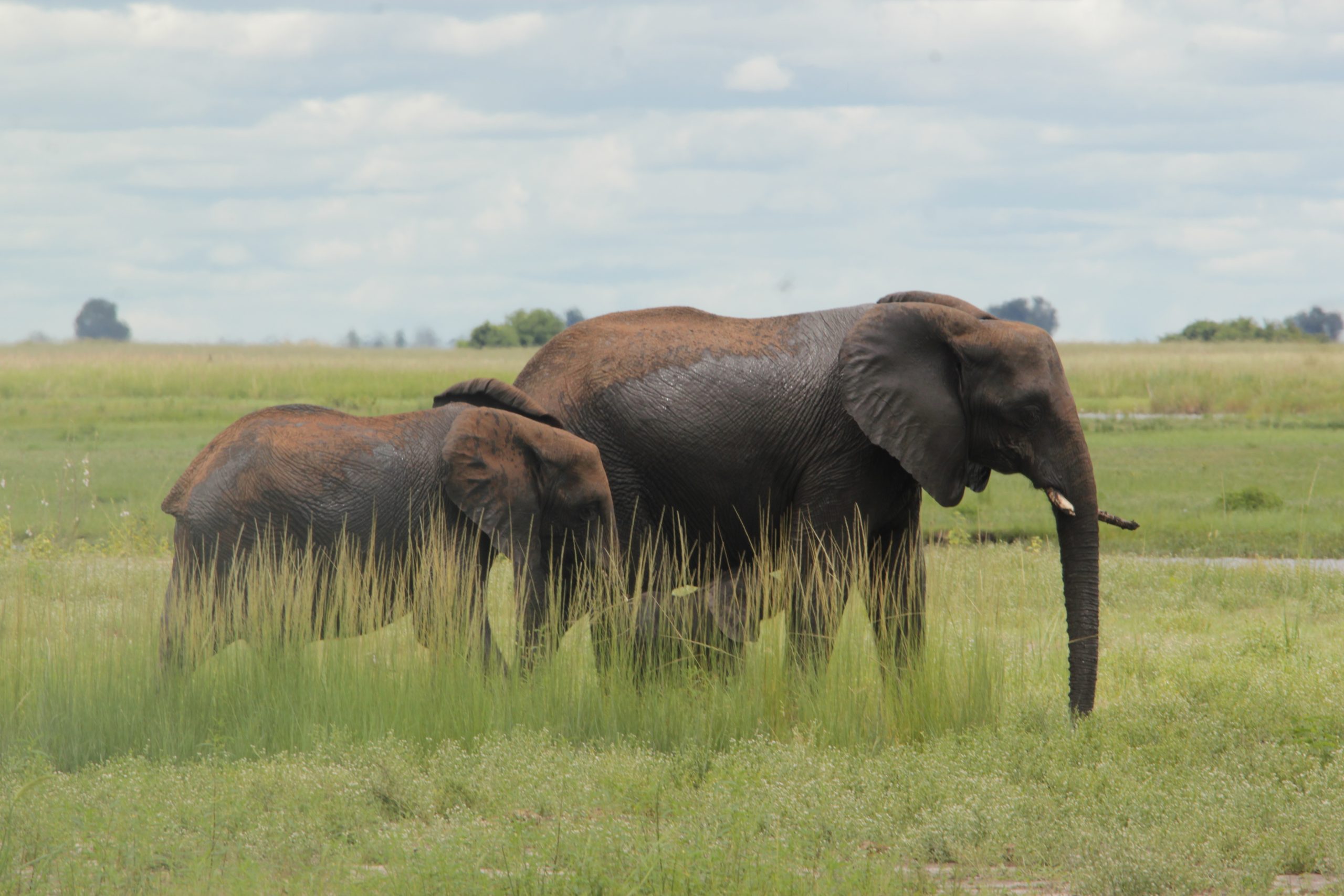
The lifestyle of the African elephant is well-researched through intensive studies. It is characterized by a highly social nature. Females and their offspring live in family groups (herds). These herds, in turn, form closer-knit clans. The individual herds meet on specific occasions and then separate again. Males form bachelor groups. The various groups utilize home ranges, within which they migrate, sometimes according to an annual cycle. The animals communicate with each other using various low-frequency sounds. Individuals can recognize one another through vocalizations, as well as through specific chemical signals. Furthermore, they possess an extensive repertoire of gestures. The cognitive abilities of the African elephant are also noteworthy.
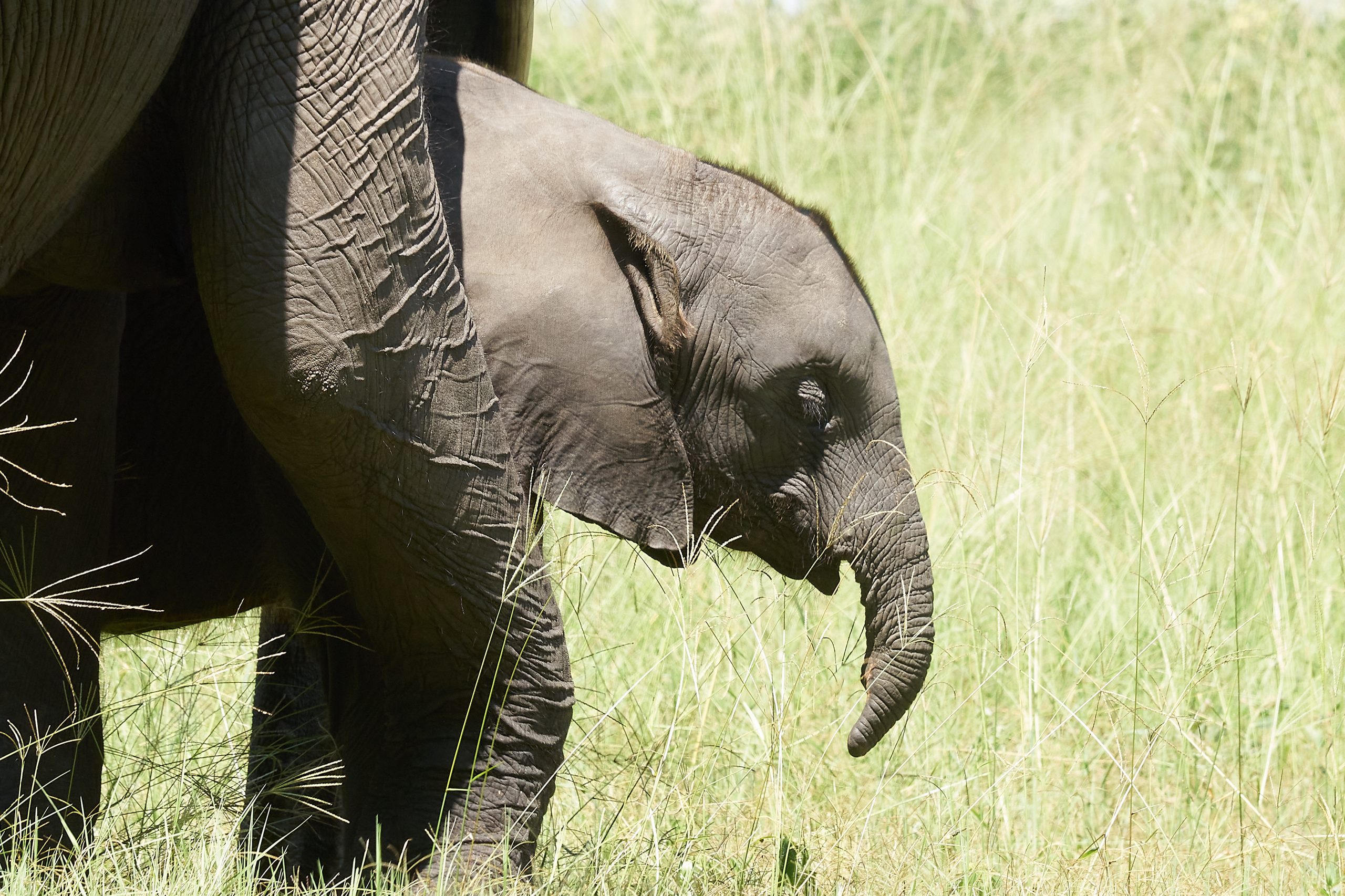
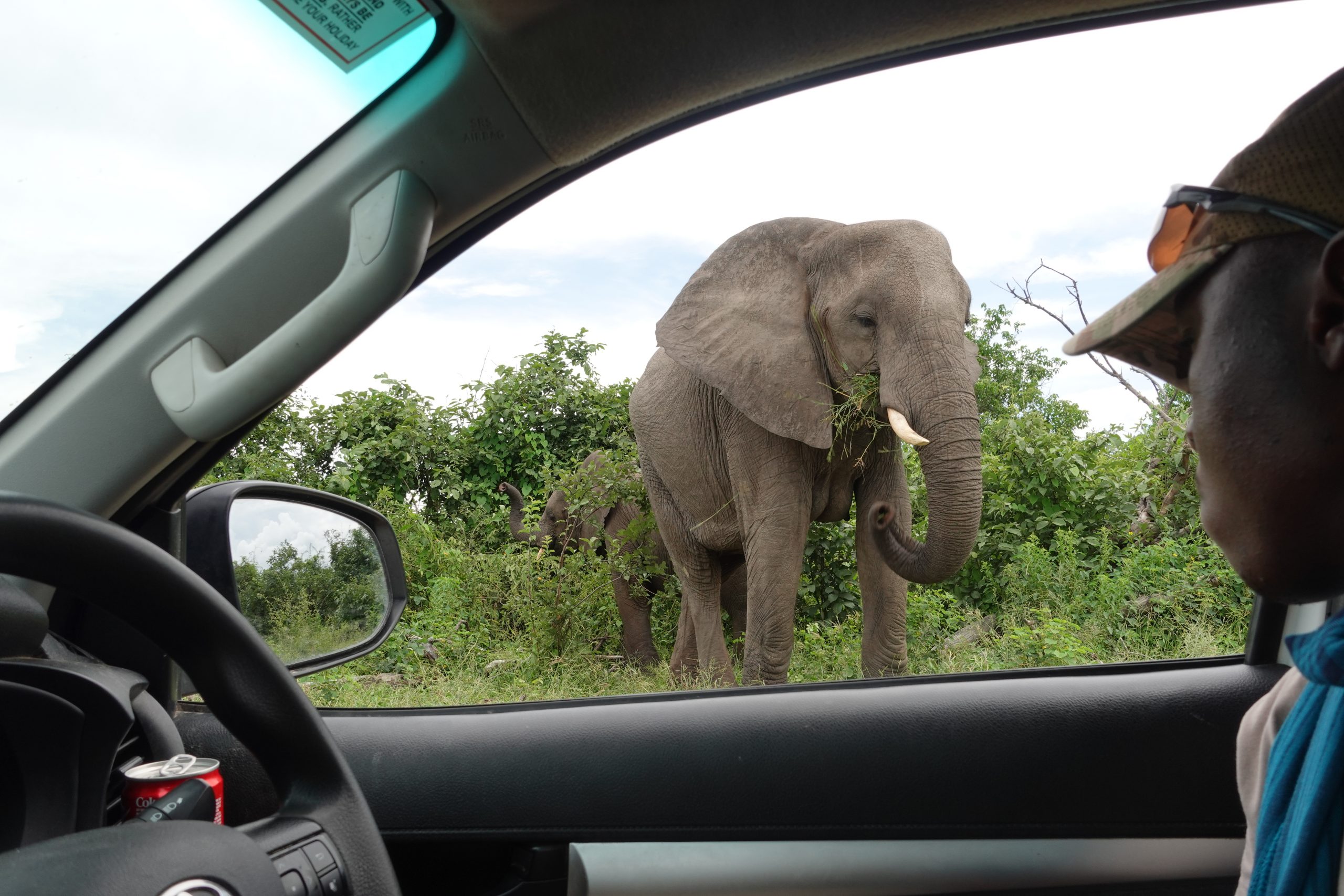
The diet consists of both soft and hard plant matter. Its composition varies regionally and seasonally. Generally, African elephants spend a large part of their day foraging. Reproduction occurs year-round, although there are regional tendencies toward a stronger seasonality. Bulls enter musth once a year, during which they migrate in search of reproductive cows. Aggression is heightened during musth, and fights with rivals occur. The estrous cycle of cows is comparatively long and follows an atypical pattern for mammals. After giving birth, they typically pause for several years. Usually, a single calf is born after a gestation period of almost two years and grows up within the maternal herd. Young females later remain in the herd, while young males leave.
The African elephant was first scientifically described in 1797, formally separating it from the Asian elephant. The genus name Loxodonta, used today, was officially introduced only thirty years later. This name refers to the striking differences in teeth between Asian and African elephants. During the 20th century, several subspecies were recognized, including the forest elephant of central Africa. According to genetic studies, the latter is now considered a distinct species; the other subspecies are not recognized. The African elephant’s lineage can be traced back to the beginning of the Middle Pleistocene. The overall population is considered critically endangered. The main causes are the ivory hunt and habitat loss due to the growing human population. The African elephant is one of the so-called “Big Five” of big-game hunting and safaris.
From Wikipedia, the free encyclopedia